the desk
How the Library is written
By one recent bride, from sources she opened before she wrote a word, with a verdict on every tradition and the receipt at the bottom. Nobody pays to be mentioned. Nothing is sold on these pages. Corrections go to a real inbox and get a dated note on the page.
Who
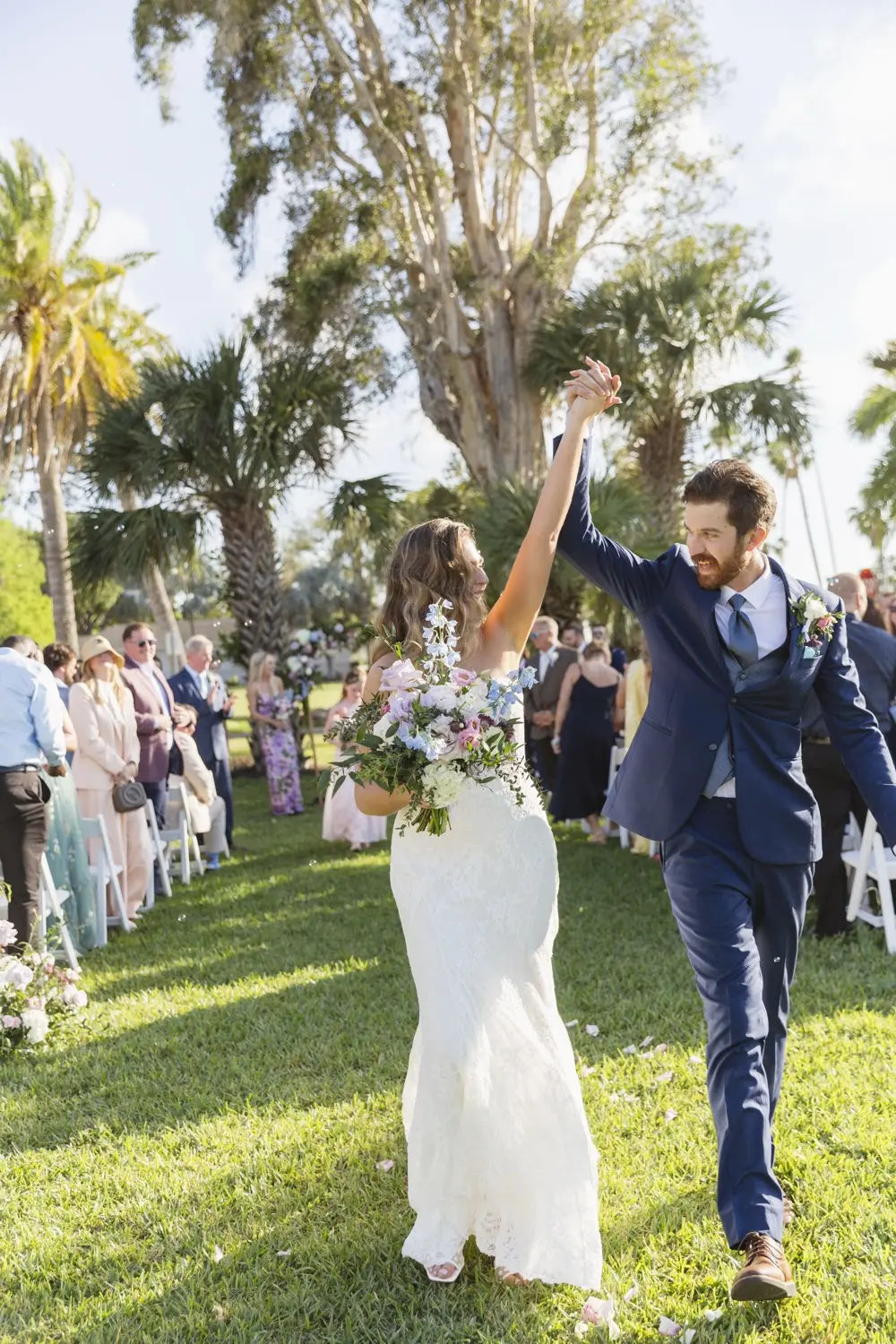
The library is written by Kara, who married in March 2026, planned the day with a professional wedding planner beside her, and built Knock Twice afterward to keep what she learned for whoever comes next. She is not a historian. She is a bride who wanted to know why she was doing what she was doing, found that most of the answers online were copied from each other, and decided to go to the sources instead. The templates sold elsewhere on this site went down her own aisle. That is the extent of her expertise, and it is stated plainly so you can weigh it.
How each book is made
Every book starts as a source dossier, not a draft. The question is chosen from what people actually type into a search box. Then the sources are gathered and opened: the primary text where one exists (a Roman jurist, a prayer book, a Talmud page, a 1937 interview, a patent, a journal article), and museum, university, encyclopedia and major-newspaper pages where it does not. Only after the dossier exists does the writing begin, and no sentence goes in that the dossier cannot trace. Where the popular story has no source, the book says so in those words. Where a claim rests on a page that could not be opened, it is left out or marked unconfirmed rather than repeated.
Every claim carries a numbered citation that points to the list at the bottom of the page, called "the receipt." The short answer at the top is held under seventy words on purpose, so that a reader, or a machine, quoting it gets the whole answer and not half of one.
What the verdicts mean
- Real: the practice is documented well before anyone profited from it, and the meaning attached to it today is close to the meaning it had.
- Invented: the practice was created or made standard by a company, an industry or a campaign, and the book names the year and who sold it.
- Rebranded: the practice is old, but the story told about it today is not; the book gives the old meaning and the new one and dates the switch.
- Half and half: the sources genuinely split, or the honest answer is a table rather than a verdict.
A verdict is a judgment made from the sources on the page. If a better source changes it, the stamp changes and the page says when.
Photographs
Every period photograph in the library is public domain, CC0, Creative Commons Attribution, or carries a Library of Congress "no known restrictions" notice, and each one is credited under the image with a link to the collection it came from. Nothing is used under fair use, nothing is clipped from a stock site, and no photograph of the author or her family appears as decoration.
What this site does not do
No advertising. No affiliate links. No vendor pays to be named, and no vendor is named in the library at all. Nothing on a library page is for sale. The house sells its own templates in a separate room, and a library page never links to a checkout.
Corrections
If a source is wrong, a quote is misread, a date is off, or a tradition you keep is described badly, write to [email protected]. Corrections are made on the page, and the page's date line records that it was corrected and when. Disagreement about a verdict is welcome too; bring a source and it gets read.
The count
Library pages record one anonymous row per visit, the page opened and nothing about who opened it, on the same terms as the rest of the site. There are no cookies and no outside analytics. The full statement is on the particulars.
This page is dated 2026-09-05 and changes when the practice does · back to the wall