From the kitchen
Plated, buffet or stations: what does each really cost?
Plated costs most because it needs the most hands, not the most food. One marketplace’s 2026 vendor prices put plated at $65 to $85 a person, stations $45 to $75, buffet $40 to $65. No independent study compares them, so treat the ranges as asking prices. The real difference is servers per table, and that is a line you can negotiate.
Plated, buffet or stations: what does each really cost?
Ask a caterer why plated costs more than a buffet and you will hear "service." That is true, and it is worth knowing exactly what it means, because it is the one part of the food bill you can move without changing what anyone eats.
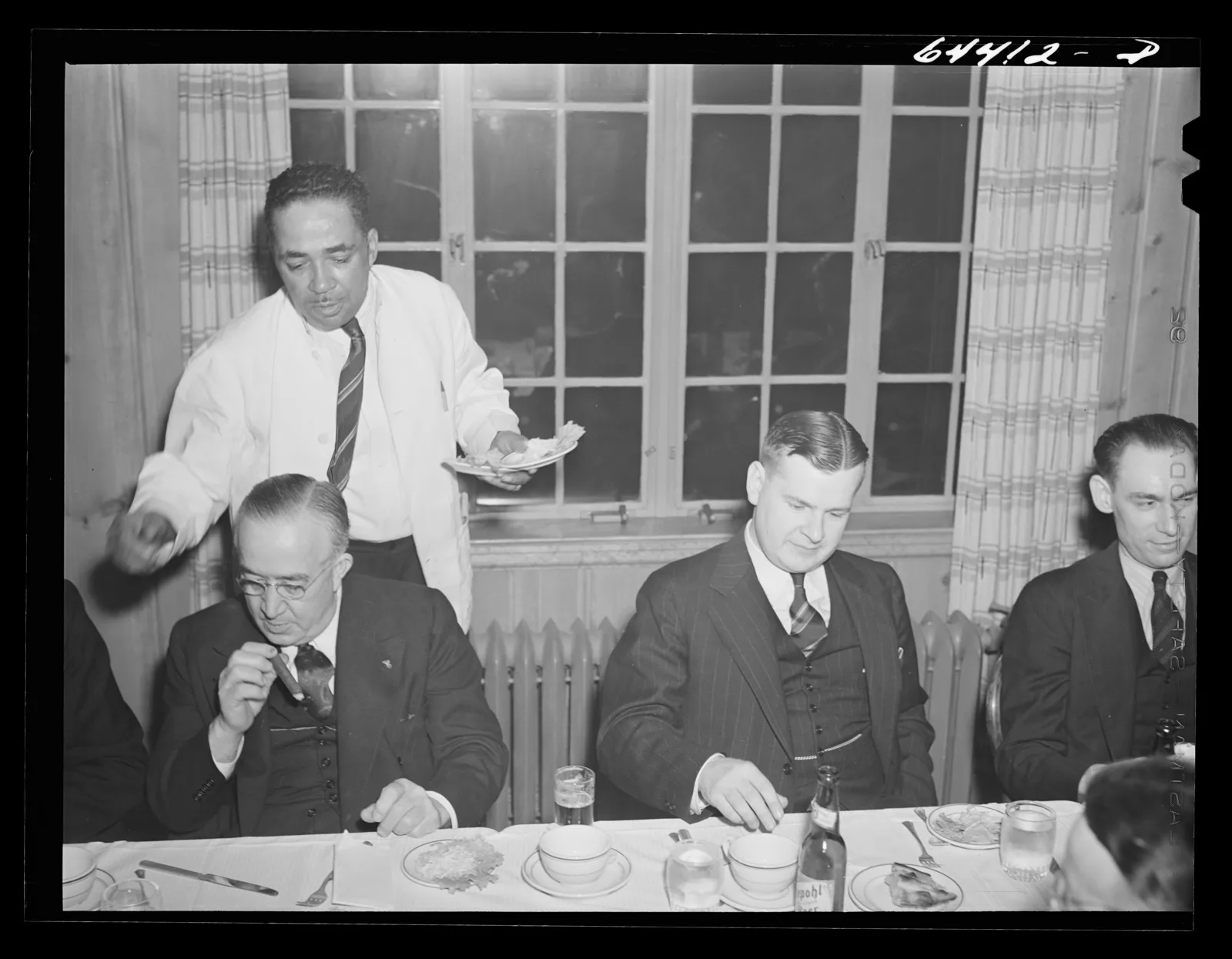
The ranges, and where they come from
There is no independent study that costs the same menu three ways. What exists is marketplace data: prices vendors report and budgets couples enter. One such index, updated February 2026, gives these per-person ranges:1
| Style | Per person, 2026 | What the price is buying |
|---|---|---|
| Plated dinner | $65–85 | A server team running every course to every seat, with entrée counts fixed in advance1 |
| Family style | $50–70 | Platters to the table; fewer trips, more plates and platters to rent1 |
| Food stations | $45–75 | Several small lines, often with a cook at each1 |
| Buffet | $40–65 | One line, replenished; guests do the carrying1 |
| Cocktail reception | $35–55 | Passed and displayed small plates; no seated meal1 |
Read those as asking prices in a marketplace, not as costs, and expect them to be low for a hotel: the same index puts the national average catering spend at $6,927, and a full-service hotel wedding runs well past that.1 The service charge and tax sit on top of every one of them, and the marketplace's own figure for the service charge is 18 to 22 percent.1
Why the gap is people
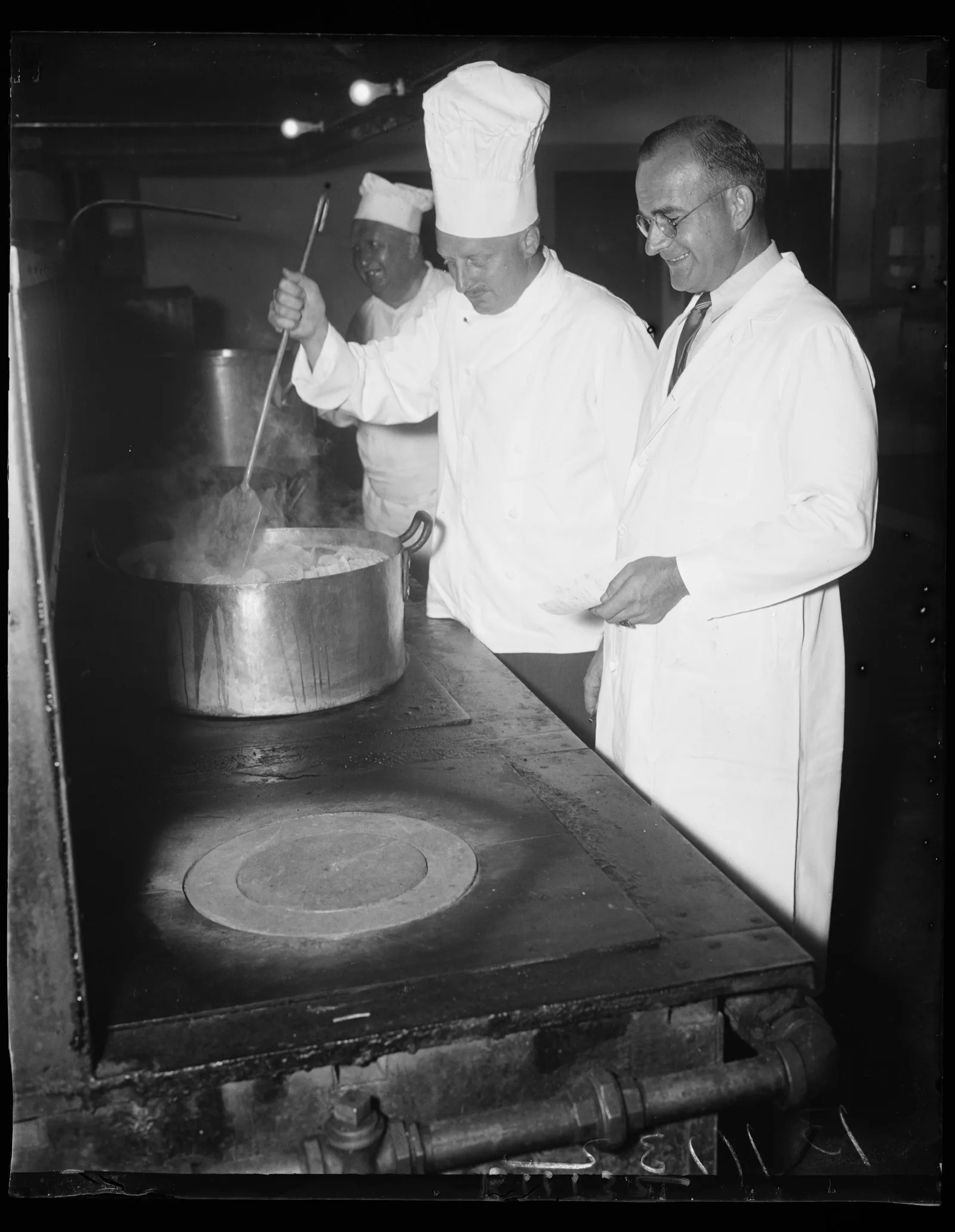
The food cost barely moves between the styles; a chicken breast is a chicken breast. What moves is the number of hands. The staffing companies that supply those hands publish their own ratios, which are claims of trade practice rather than measurements: roughly one server for every ten to twelve guests at a plated dinner, one for every twenty to twenty-five at a buffet.2 For a hundred and twenty guests that is the difference between ten servers and five, each paid for the shift plus the setup and breakdown around it. A plated dinner also fixes your menu weeks out: the author's own 2026 hotel order set entrée "counts due 14 days prior," required place cards "with guest name & entree indicator," and made the guarantee of attendance and final payment due "8 business days prior to function."3 The labor a buffet saves the venue, a plated dinner shifts partly onto you, in the form of a spreadsheet of who is having the fish.
The honest ceiling of what is known
This is the least-sourced bottle behind the bar, and it says so. The ranges are one company's marketplace. The staffing ratios are the staffing industry describing itself. Nobody has published a controlled comparison, and the trade associations that could have, have not put one where a bride can read it. What can be said with confidence is structural: plated service needs the most staff per guest and the most advance information from you; a buffet needs the least of both; stations sit between and add cooks; and every style's price carries the same two pluses. When you get a quote, ask for the staffing count and the hourly rate behind it. That is the line that differs, and the only one worth arguing over.

Why your mother cares
She may hold that a buffet is less formal and a plated dinner is what a wedding is. She is describing the 1980s hotel ballroom, and she is not wrong about what it signaled then. What it signals now is a staffing ratio. If the two of you disagree, ask the caterer to price the same menu both ways and show her the difference is servers, not food. Then decide whether the walk to the line is a cost or a feature; at a lot of weddings it is where the two families finally talk to each other.
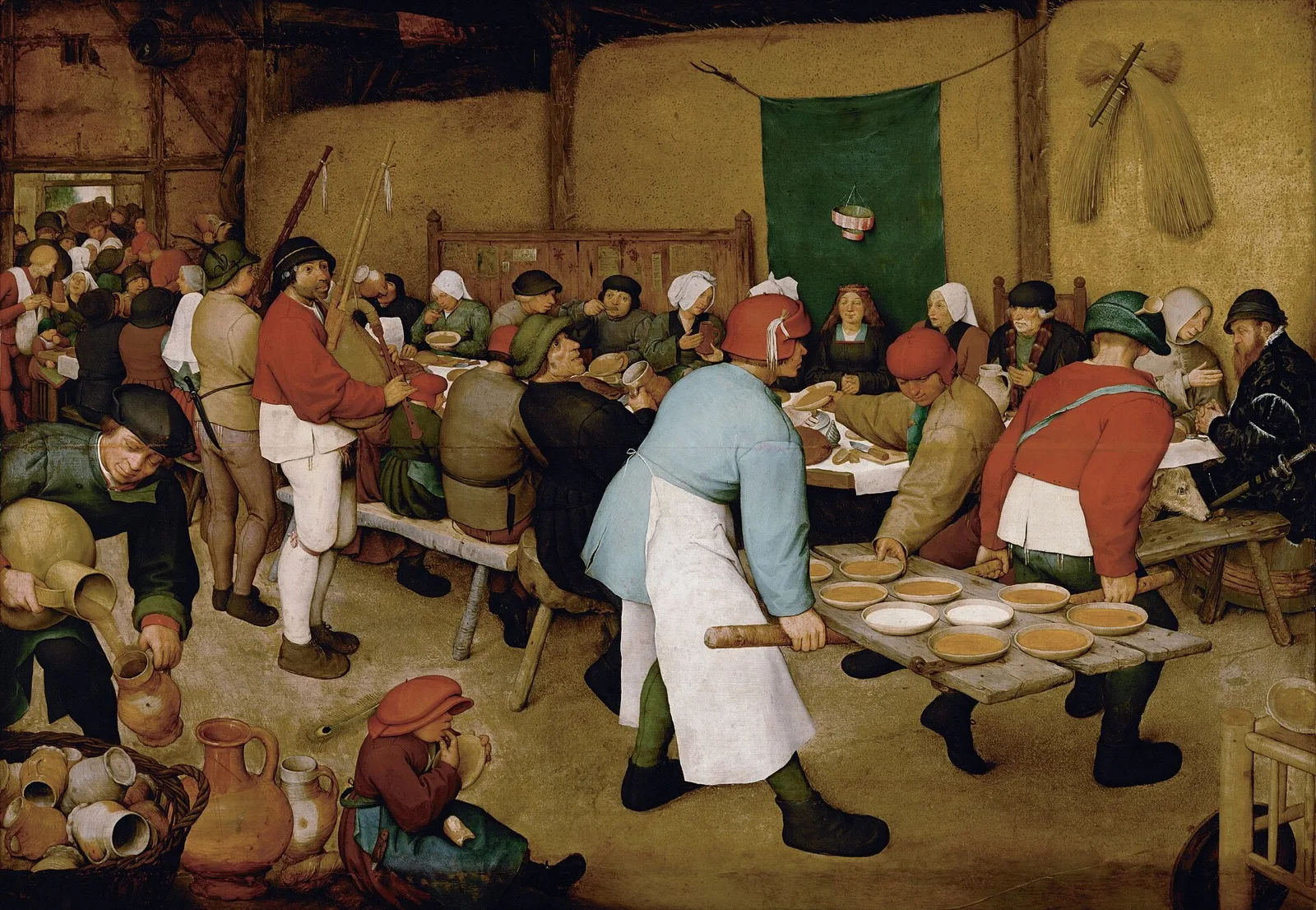
In Bruegel’s 1568 wedding the food came in on a door lifted off its hinges, carried by two men, and set down where people sat. Family style, with a door.
Asked at the desk
Is a buffet cheaper than a plated dinner?
Usually, and the reason is staff, not food. One 2026 marketplace puts buffets at $40 to $65 a person and plated dinners at $65 to $85; staffing firms describe roughly half as many servers for a buffet.12
How much do food stations cost per person?
The same marketplace puts stations at $45 to $75 a person; a cook at each station adds staff that a single buffet line does not need.1
How many servers do you need for a plated wedding dinner?
Staffing firms describe about one server per ten to twelve guests for plated service and one per twenty to twenty-five for a buffet. These are trade claims, not a study.2
Do I have to give entrée counts in advance?
For a plated dinner, yes. One 2026 hotel order required entrée counts fourteen days out, place cards marking each guest’s entrée, and the final guarantee eight business days before the wedding.3
The receipt
- Zola, "Wedding Catering Costs: Real Numbers and Budget Tips," updated 19 February 2026, drawing on the Zola Wedding Cost Index; methodology in Zola, "Inside the Zola Wedding Cost Index," updated 19 February 2026. zola.com · methodology
- Quickstaff, "How Many Servers Do You Need Per Guest?" (an event-staffing company describing trade practice). quickstaffpro.com
- Banquet event order for the author’s own wedding at a Florida hotel, printed 31 October 2025 for 14 March 2026, pages 1–3. In the author’s files; the venue is not named because no vendor is named in this house.
Shelved September 5, 2026 · back to the bar